
Call: 08071269449
 Send Inquiry
 Send Inquiry
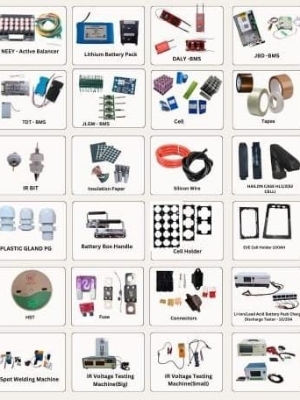
Battery raw material
Price 10.0 INR/ Piece
MOQ : 100 Pieces
Battery raw material Specification
- Power Rating
- 5
- Measuring Voltage Range
- 100v
- Size
- 300m
- Color
- Silver
- Rated Voltage
- 300A
- Dimension (L*W*H)
- 30mm*25mm*20mm
- Operating Temperature
- 30
- Weight
- 5gm
- Cable Type
- Copper
- Phase
- 2
- Material
- Plastic pvc
Battery raw material Trade Information
- Minimum Order Quantity
- 100 Pieces
- Supply Ability
- 100 Pieces Per Day
- Delivery Time
- 3 Days
- Sample Policy
- Contact us for information regarding our sample policy
Battery raw material About
Lithium-ion batteries require several critical raw materials for their core components: a lithium-based metal oxide cathode (e.g., NMC, LFP), a graphite-based anode, a separator, and a lithium-salt electrolyte. Key materials include lithium, nickel, cobalt, manganese, and copper, which are critical for high energy density and electric vehicle applications.
Wikipedia
Wikipedia
+3
Core Raw Materials Breakdown
Cathode (Positive Electrode): This holds the highest cost share (
) and is typically made of lithium nickel manganese cobalt oxide (
or NMC) or lithium iron phosphate (
or LFP). It is responsible for the battery's energy density and performance.
Anode (Negative Electrode): Primarily made of graphite (natural or synthetic) due to its stability, long cycle life, and low cost. Silicon is increasingly used to improve capacity.
Electrolyte: Conducts ions between electrodes, generally consisting of a lithium saltsuch as Lithium hexafluorophosphate (
)dissolved in organic solvents (e.g., ethylene carbonate).
Separator: A thin polymer film (polyethylene or polypropylene) placed between the anode and cathode to prevent short circuits.
Current Collectors: Copper foil is used for the anode, while aluminum foil is used for the cathode.
Redwood Materials
Redwood Materials
+4
Critical Mineral Sourcing
Lithium: Extracted from hard rock ores like spodumene or from lithium-rich brines found in salt flats.
Cobalt: Often mined as a by-product of nickel or copper mining; used to stabilize the cathode.
Nickel & Manganese: Crucial for enhancing power and energy, commonly refined for cathode production.
Graphite: Extracted as natural flake graphite or produced synthetically.
InnoEnergy
InnoEnergy
+4
For technical specifications of these materials for research purposes, you can consult suppliers like Xiamen Acey New Energy Technology Co.,Ltd.
If you are looking for more specific information, please tell me:
Are you interested in the raw materials for a specific type of battery (e.g., LFP vs. NMC)?
Would you like to know more about the recycling process to obtain these materials?
Are you looking for information on the environmental impact of sourcing these materials?
Tell us about your requirement

Price:
Quantity
Select Unit
- 50
- 100
- 200
- 250
- 500
- 1000+
Additional detail
Mobile number
Email

More Products in Battery Management System Category
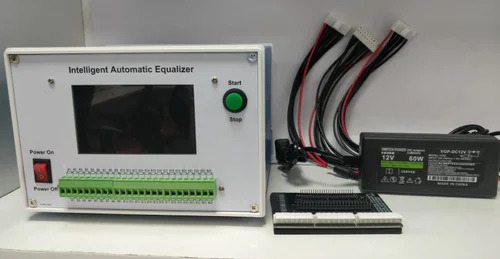
Lithium Balance Battery Management Systems
Price 500 INR / Piece
Minimum Order Quantity : 100 Pieces
Size : Standard
Features : High quality
Phase : Single/Three phase
Usage & Applications : Battery
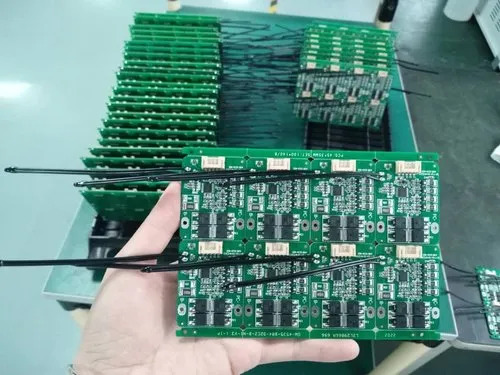
Battery Management System (BMS)
Price 200 INR / Piece
Minimum Order Quantity : 100 Pieces
Size : Standard
Features : High quality
Phase : Single/Three phase
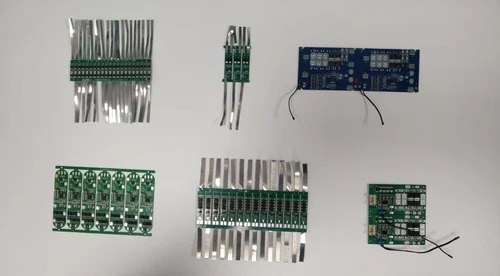
PCB BMS Battery Lithium Ferro Phosphate
Minimum Order Quantity : 50 Pieces
Size : 4 mm thickness
Features : Durable
Phase : Single/Three phase
Usage & Applications : Industrial
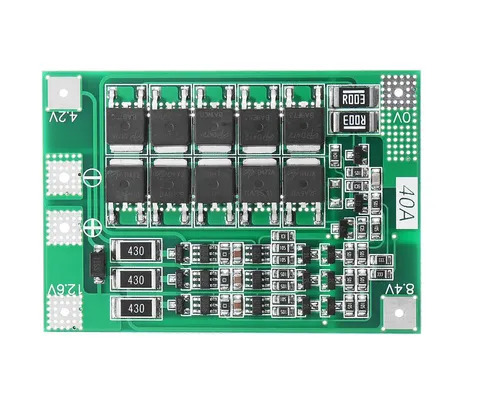
Lithium Batteries BMS
Minimum Order Quantity : 20 Pieces
Size : Standard
Features : Long life
Phase : Single/Three phase
Usage & Applications : For electronics

Contact Details
Praveen Marketing
GST : 29AANPS3613A1ZR
- No.4/1, 2rd Floor, P. R. Line 2nd Cross, S J P Road Cross,Bengaluru - 560002, Karnataka, India
- Phone :08071269449
 Send Inquiry
Developed and Managed by Infocom Network Private Limited.
